Painting Contractor Solutions: Transform Your Space With Expert Finishes
Painting contractor services provide homeowners with essential solutions for updating their living areas. Such experts address issues like mold and surface preparation, providing long-term solutions. Their skills include the science of color selection, which defines the mood of an interior. Grasping the details involved in selecting a contractor can greatly impact the outcome of a project. While homeowners weigh their alternatives, various critical elements become relevant that warrant further exploration.
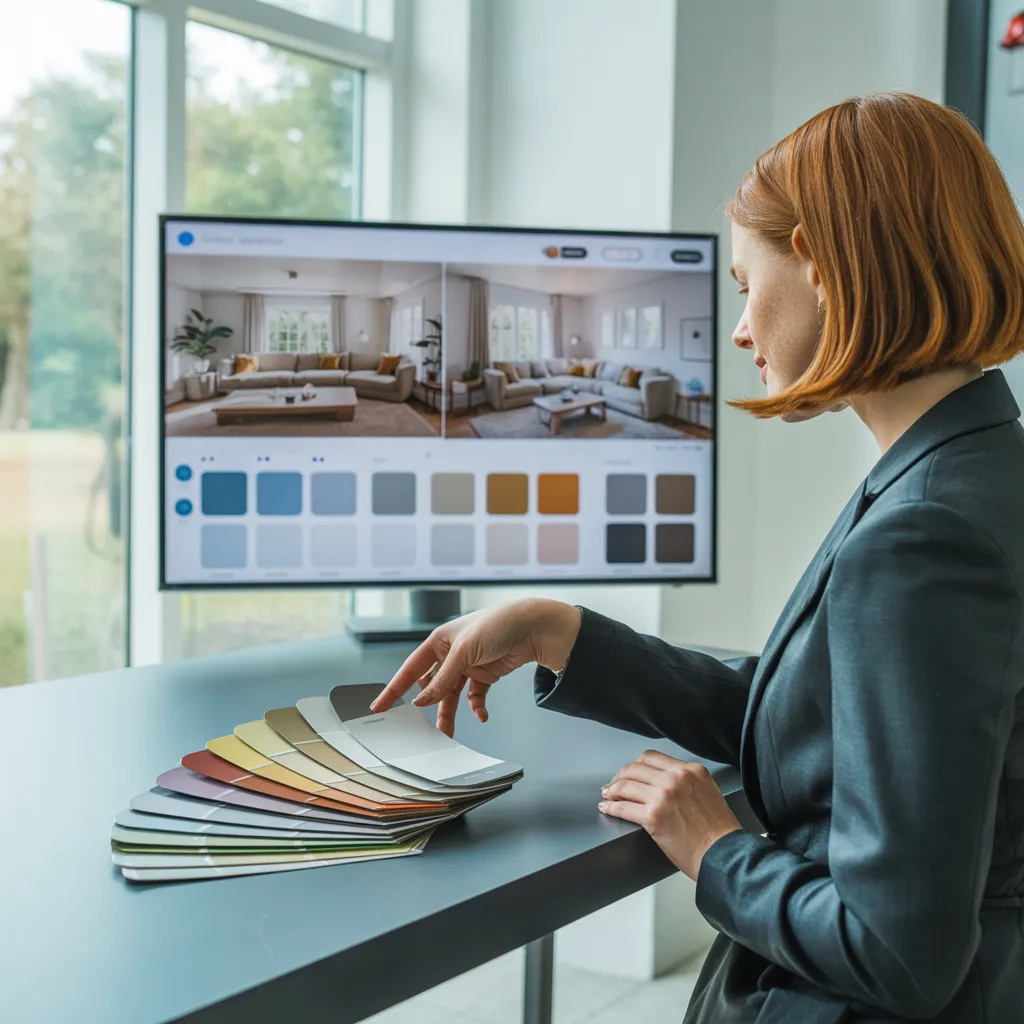
What Challenges Do Professional Painting Contractors Resolve?
Expert painting contractors handle a range of issues commonly encountered by homeowners and businesses. One notable challenge is the requirement for thorough surface preparation, which includes cleaning, sanding, and priming walls to secure proper paint adhesion. This process is essential for achieving a smooth, durable finish. Moreover, contractors work to uncover and address underlying problems such as mold or water damage that may affect both appearance and structural soundness.
Time management is also a key consideration, as experienced painters can handle projects more effectively than untrained individuals, enabling clients to concentrate on their everyday routines. In addition, contractors possess the expertise to select appropriate paint types and colors, making certain that the end result satisfies the client's goals and resists environmental influences. Safety is also paramount; contractors are trained to handle hazardous materials and use equipment properly, limiting dangers involved in the painting operation. Altogether, expert painting contractors offer meaningful resolutions to demanding issues in both home and business contexts.
Key Painting Techniques and Their Benefits
Proper painting techniques are crucial in producing excellent results in both commercial and residential applications. Among the most frequently used approaches is spray painting, which provides a uniform, flawless coating and is particularly effective for larger areas or intricate details. Another key technique is brush and roll application, which ensures improved accuracy at edges and corners, maintaining exactness throughout.
Furthermore, methods such as sponging or rag rolling can create texture and depth, enhancing the visual impact of a room. The use of primer application before painting is essential, as it ensures adhesion and enhances the durability of the paint finish.
Furthermore, proper prep work, including surface sanding and cleaning, greatly affects the final outcome. Every approach offers its own benefits, leading to a sleek and professional result. Through choosing the appropriate techniques, experienced painting professionals are able to transform any space, attaining results that fulfill or exceed the expectations of their clients.
How Color Consultation Transforms Your Space
Color consultation plays an essential role in shaping the atmosphere of a space. By appreciating the emotional influence of colors, individuals can create environments that evoke desired emotions and behaviors. Moreover, thoughtful color selections can blend seamlessly with current decor, elevating the visual appeal of virtually any space.
The Psychology Behind Colors
When selecting hues for a space, it is important to consider the significant psychological effects colors can have on mood and perception. Colors shape emotions and behaviors, shaping how occupants navigate their environment. As an copyrightple, warm tones like oranges and reds can generate feelings of energy and warmth, while cooler shades like blues and greens frequently encourage peace and stillness. Neutral shades create an adaptable setting suitable for relaxation or concentration. Grasping these impacts is crucial for designing balanced environments tailored to specific needs. Expert color guidance can assist clients in selecting well-considered options, guaranteeing that the chosen color scheme aligns with the planned aesthetic, thereby improving both functionality and aesthetics in the room.
Harmonizing With Existing Decor
A careful method of blending with current interior elements can greatly enhance the overall aesthetic of a living area. Professional color guidance plays a pivotal role in reaching this harmony. Experts assess the existing features, such as furniture, artwork, and architectural features, to recommend color palettes that enhance rather than disrupt. By accounting for factors like natural light and room function, they develop unified spaces that evoke desired moods. This method often encompasses choosing tones that connect diverse features, guaranteeing a smooth transition throughout the space. In the end, effective color consultation not only elevates the visual appeal but also cultivates an atmosphere of unity and relaxation, rendering the space more welcoming and expressive of individual taste.
Assessing Contractor Quality
How do homeowners go about determining the quality of a painting contractor? Appraising contractor quality involves several key steps. Initially, looking through portfolios of completed work can reveal important information about the contractor's approach and thoroughness. Homeowners are encouraged to search for online reviews and client testimonials, which can shed light on past experiences and customer satisfaction. Verifying that the contractor holds the proper licenses and insurance is critical, as these credentials reflect professionalism and responsibility.
Moreover, gathering several estimates can be useful in assessing the industry standard and the contractor's credibility in providing detailed estimates. Requesting testimonials from former clients permits homeowners to investigate about the contractor's work ethic and quality. Ultimately, copyrightining interpersonal skills during early conversations can indicate how well the specialist will engage throughout the project. By applying these strategies, homeowners can arrive at educated choices and identify a reliable painting contractor that satisfies their criteria.
Important Questions to Ask Your Painting Contractor?
When selecting a painting contractor, it is crucial to ask specific questions to secure a successful project. Essential aspects to address include the contractor's qualifications and knowledge, the suggested schedule and timeline, and guidance on paint selection. Considering these factors can help homeowners make informed decisions and define realistic expectations.
Experience and Skill Level
copyrightining the level of experience and expertise of a professional painter is vital for guaranteeing project success. Homeowners should look into the contractor's tenure in the business, as significant experience often correlates with advanced capabilities and problem-solving expertise. Furthermore, verifying relevant credentials or training can offer a glimpse into the contractor's commitment to quality. Consider requesting copyrightples of previous work, as a solid portfolio can demonstrate expertise and artistry. Client testimonials and references also provide useful insights into the contractor's trustworthiness and work ethic. Being aware of the contractor's knowledge of different painting methods and materials can further assure clients that their unique expectations will be fulfilled, culminating in a more successful and satisfying result.
Scheduling and Project Timeline
Recognizing the schedule and timeline of a painting endeavor is essential for homeowners to manage their expectations. When hiring a paint contractor, key questions should address the expected length of the project and the availability of the contractor. Homeowners should look into any factors that may impact the project timing, such as weather conditions or the prep work required for painted surfaces. It is also essential to talk about the contractor's working hours and any likely delays that could occur. By establishing a solid timeframe, homeowners can more efficiently plan other aspects of their lives, minimizing disruption during the painting process. Overall, clear communication regarding the schedule fosters a better-organized and productive project experience.
Paint Selection Recommendations
Choosing the appropriate kind of paint can significantly influence the outcome of a paint job. Property owners should speak with their painting specialists concerning several paint varieties, including latex, oil-based, and specialty paints. All of them provide specific advantages; for instance, latex paints have a fast drying time and are easy to clean, while oil-based paints offer lasting performance and a polished finish. Moreover, considerations such as sheen—matte, eggshell, satin, semi-gloss, or gloss—can affect the overall look and care demands. Contractors can also advise discover here on eco-friendly alternatives for those mindful of environmental responsibility. By addressing individual requirements and desires, homeowners can guarantee they choose the most suitable paint type to enhance their space successfully and fulfill enduring performance goals.
Getting Your Space Ready for a Professional Paint Job
Before the paintbrush even touches the wall, thorough preparation of the room is necessary for accomplishing a polished outcome. This procedure commences with relocating furniture and placing drop cloths on floors to shield against spills. Surfaces should be completely washed to remove dust and grease, guaranteeing optimal paint adhesion. All holes or blemishes need to be patched with spackle and sanded even; this stage is critical for a consistent look. Moreover, tape ought to be secured along edges, like baseboards and windows, to establish precise lines and stop paint from bleeding. Adequate airflow is equally important, so opening windows or running fans can assist in maintaining a safe work environment. Lastly, assessing the lighting in the room will assist in choosing the most suitable paint colors. By implementing these measures, homeowners can lay the groundwork for an expert paint job that elevates the overall appeal of their living area.
Common Questions and Answers
How Long Does an Average Painting Project Take to Finish?
A typical painting project generally requires one to two weeks to complete, subject to the scope and intricacy of the project, prep work needed, and the amount of coats necessary for optimal results.
What Paint Finish Options Are There for My Project?
Various paint finishes are available, including matte, eggshell, satin, semi-gloss, and gloss. All finishes present distinctive aesthetics and resilience, accommodating a range of aesthetic tastes and functional needs for both interior and exterior surfaces.
Do I Need to Be Home During the Painting Process?
Residents don't have to be present during the painting process. However, remaining accessible for questions or key decisions can enhance communication and guarantee the project meets their expectations, which leads to a more satisfying overall outcome.
Which Season Is Best for Exterior Painting Projects?
The most suitable time for outdoor painting work is generally the period spanning late spring to early fall. Throughout this period, the climate is comfortable, humidity levels are lower, and the environment is perfect for paint to adhere and dry properly, providing durable and lasting outcomes.
Do Eco-Friendly Paint Options Exist?
Certainly, green paint choices are broadly offered, including natural and low-VOC paints. These paint options lessen harm to the environment while maintaining quality, delivering cleaner indoor air quality and better living conditions for both residents and the planet.